


Florida ordered an auto insurance excess profits refund of more than $122 million. On November 19, 2026, the Florida Office of Insurance Regulation (OIR) announced that three companies will return that money to their personal auto policyholders. If the company pays cash, it does so within 60 days of the final order; if it gives a credit, you will see it on your renewal premium notices.
If you have auto insurance in Florida, the first step is to find out whether your policy is one of those affected. The OIR release mentions no paperwork to request the money. It is paid by the insurance company that issued your policy, not by a public fund or by your agency.
What the Florida Office of Insurance Regulation announced
The OIR issued final orders against three personal auto insurers for excess profits in the years 2023, 2024 and 2025. These are the amounts by company:
| Company | Amount to return |
|---|---|
| Liberty Mutual Personal Insurance Company | $73,139,740.00 |
| Security National Insurance Company | $48,628,580.00 |
| Cimarron Insurance, Inc. | $908,149.00 |
| Total | $122,676,469.00 |
With these three orders, excess profit refunds in 2026 pass $168 million, according to the OIR.
Why does Florida order auto insurance refunds?
Because state law limits the profit a personal auto insurer can keep in Florida. Every year, before July 1, insurer groups file their Florida data with the OIR. The underwriting profit of the three most recent years is added up. If that total goes above the anticipated profit plus 5% of the earned premiums for those years, the company returns the excess.
That calculation and that obligation are in section 627.066 of the Florida Statutes, which also sets who gets the money and how it arrives.
Who gets the money?
Under section 627.066, the money is split among people who had a personal auto policy in the voluntary market with one of these three companies. The date that counts is December 31 of the last year in the calculation. Since the last year in these orders is 2025, that date is December 31, 2025. The split follows the premium of that year, so there is no single amount for everyone.
Commercial auto insurance is not part of this distribution. And having held a policy with one of these companies at some point is not enough by itself. That is how the Spanish-language news site CiberCuba put it on November 24, 2026. The policy in force on that date is what counts.
How and when does the refund reach you?
Section 627.066 leaves two paths, and the company chooses. If it opts for a cash refund, it pays within 60 days of the final order. If it opts for a credit, the credit appears on the renewal premium notices sent more than 60 days after the final order.
There is a third case. If the company chose the credit and you cancel the policy or let it lapse, it pays you in cash within 60 days after the coverage ends.
As CiberCuba points out, the OIR release sets no general procedure to apply for the money.
If a check comes back
When a refund check is returned, the company has to try to locate you. If it cannot find you, the money goes to unclaimed property under chapter 717 of the Florida Statutes. That is why your mailing address should be current with the company.
What to check on your policy right now
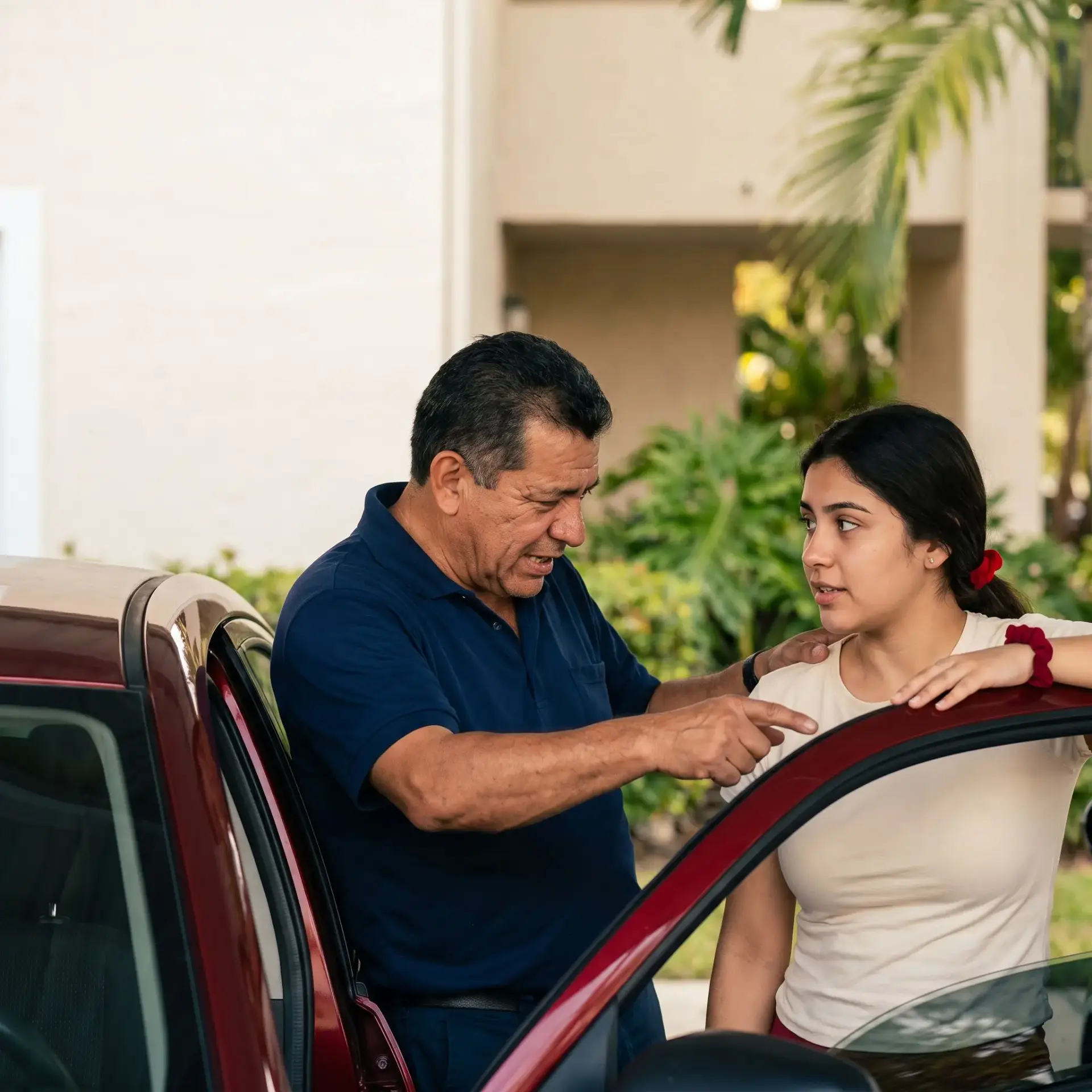
With the renewal notice in front of you, a few minutes are enough to see which company issues your policy and what coverage your car has. You can also check that your address and phone number are current. That same review helps you compare before you renew.
Which company your policy names
Look for the company listed as the insurer on your policy. The three companies in the orders are Liberty Mutual Personal Insurance Company, Security National Insurance Company and Cimarron Insurance, Inc. If yours is one of them and you had that personal auto policy on December 31, 2025, the law includes you in the distribution.
The company confirms how much you get and how it pays. If you cannot find that detail or have questions, a UniVista Insurance agent can go through the policy with you.
What CiberCuba recommends
- Check whether you had a qualifying policy on December 31, 2025.
- Keep your contact details and mailing address up to date with the company.
- Read the mail and the renewal notices your company sends you.
- Ask the company how much you get and how it will reach you.
Want more context? In February we published an analysis of the market and the statutes behind these refunds.
Frequently asked questions
More answers about policies, coverage and renewals are on our auto insurance questions page.
Do I have to apply for the refund?
Not according to the OIR: its release mentions no procedure to request it. The law splits the money among people who had a personal auto policy in the voluntary market on December 31, 2025, in proportion to that year’s premium. It does help to keep your address and phone number current with the company.
When and how does the refund money arrive?
It depends on what the company chooses. If it pays cash, it does so within 60 days of the final order. If it gives a credit, the credit shows up on renewal premium notices sent more than 60 days after the order. If it chose the credit and you cancel or let the policy lapse, it pays cash within 60 days after the coverage ends.
Does commercial auto insurance get a refund too?
No. These OIR orders cover personal auto insurance in the voluntary market. Section 627.066 splits the money among people who had that type of policy in force on December 31, 2025. Commercial policies stay outside this distribution of more than $122 million.
If you have auto insurance in Florida, check your policy and your renewal notices before you renew. Licensed UniVista Insurance agents compare more than 20 companies with you, by phone, online or at an office in South or Central Florida. You can get a free quote for your car insurance here. And if you have questions about the refund, your UniVista agent can review your policy with you.
Reviewed on November 24, 2026. Sources read that day: the OIR release of November 19, 2026, the OIR final orders, section 627.066 of the Florida Statutes and the CiberCuba article.
 Vehicle
 Home & Property
 Commercial
 Life
 Health