


If an uninsured driver in Texas hits you, or hits you and drives off, your uninsured/underinsured motorist coverage (UM/UIM) is what pays your medical and repair bills. Texas insurance companies have to offer it. You only go without it if you tell your company in writing that you don’t want it.
If you keep UM/UIM, your insurer pays your medical and repair bills after a crash with an uninsured driver, through your car insurance policy. Without UM/UIM, you may have to pay the repairs and the medical bills yourself. Below is what UM/UIM actually covers, what you have to do after a hit-and-run, and the claim deadlines your insurance company has to meet.
What does UM/UIM coverage pay for in Texas?
Uninsured/underinsured motorist coverage pays when you’re hit by someone who had no insurance at all, or who didn’t have enough insurance to cover your medical bills and your car repairs. According to the Texas Department of Insurance auto insurance guide, it also pays in a hit-and-run.
Two things to keep in mind. You pay a deductible on a UM/UIM claim, the same way you do on collision and comprehensive. And the coverage has a dollar limit, which is the most your company will pay on that claim.
Underinsured: when their limits run out
Texas requires every driver to carry at least 30/60/25 in liability coverage, per the Texas Department of Insurance. That’s $30,000 for injuries per person, up to $60,000 per accident, and $25,000 for property damage. The department says those minimums might be too low in a crash with several vehicles or when a car is totaled. If the at-fault driver’s limits don’t cover your repairs, your collision or UM/UIM coverage should pay the difference, with a deductible. If their limits don’t cover your medical bills, your company uses your Personal Injury Protection (PIP), medical payments or UM/UIM coverage to cover the rest.
PIP matters here too. Every Texas auto policy includes PIP unless you reject it in writing.
Why a hit-and-run needs a police report
If the other driver leaves the scene, call the police. Your uninsured motorist coverage won’t pay for a hit-and-run that you didn’t report to police, according to the Texas Department of Insurance.
Then get the names and phone numbers of anyone who saw what happened. An independent witness who can describe the vehicle helps you prove what happened when you file your claim.
What to do at the scene after a crash in Texas
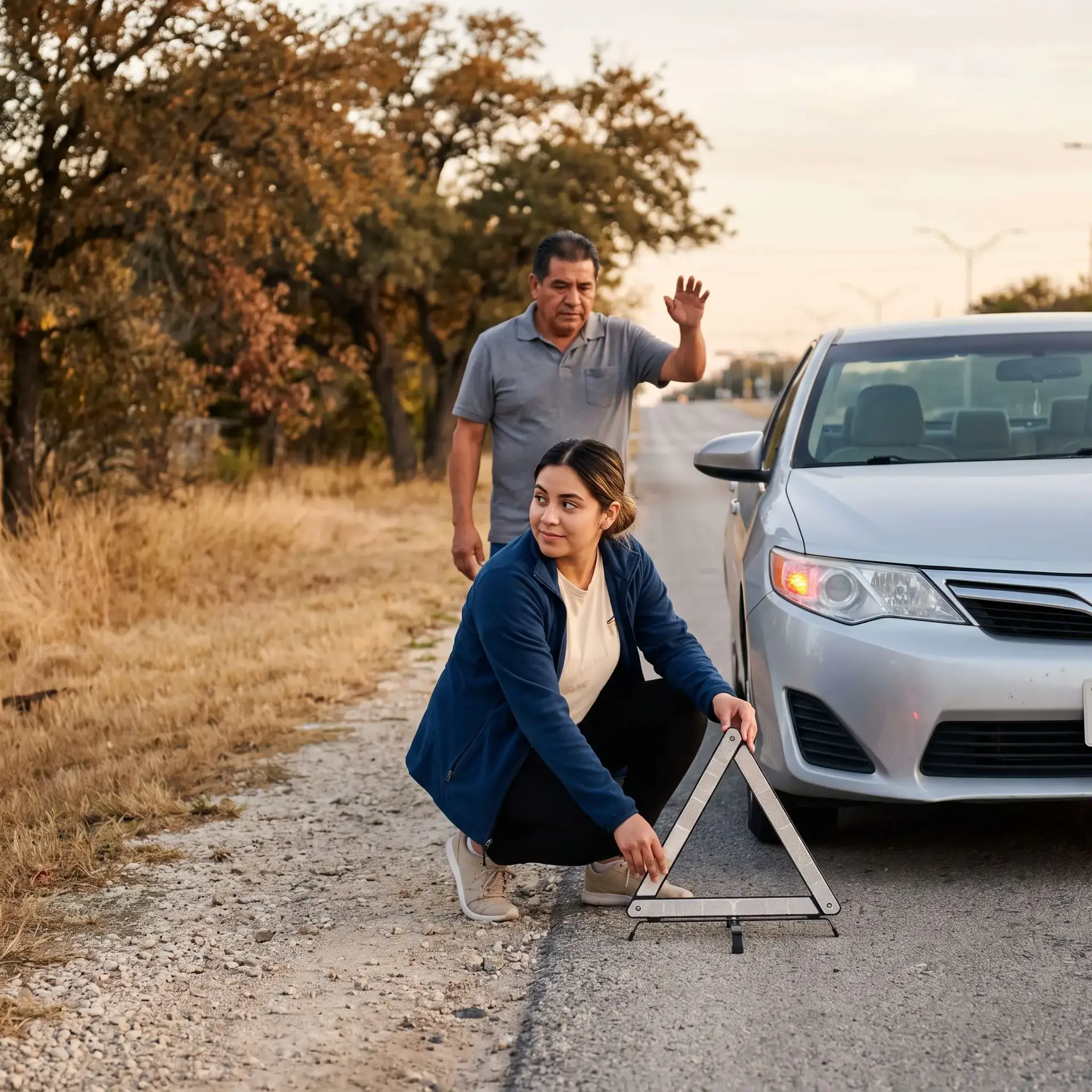
Collect the other driver’s information. Call the police if the other driver won’t name his or her insurance company, if anyone was injured, or if the driver left the scene. From the Texas Department of Insurance guide, you want this before anyone leaves:
- The other driver’s name, address and phone number.
- The license plate number.
- Their insurance company and policy number. A photo of the insurance card is an easy way to get both.
- Names and phone numbers of witnesses.
If an officer comes to the scene, get their name and badge number. The officer usually takes a few days to file the report, and with those details you can follow up if you need to.
Driving in Texas without coverage
If you’re shopping for auto insurance in Texas, the 30/60/25 minimum is the floor the state sets for liability. It says nothing about what happens to you when the other driver has nothing. That’s what UM/UIM is for, and it’s a separate line on your policy. We’ve also written about what driving an uninsured car in Texas means if you’re on the other side of that question.
How do you file the claim and what deadlines apply?
Tell your insurance company as soon as possible. Most companies set their own deadline for reporting a claim. Send them the police report too. From there, Texas gives your company a clock to follow, and the Texas Department of Insurance spells it out.
- Your company must confirm your claim within 15 days.
- It must accept or reject the claim within 15 business days after it receives all the information it needs.
- If it needs more time, it gets up to 45 days, and it has to tell you why.
- Once it agrees to pay, it must pay within five business days.
Your company also pays for a rental car if you have UM/UIM coverage. That applies when the at-fault driver had no insurance or not enough, and in a hit-and-run. You can read more in the Texas Department of Insurance consumer guide to auto insurance.
How to check whether you already have UM/UIM
Look at your declarations page. It’s the first page of your policy, and it lists your coverages, your limits and your deductibles. If uninsured/underinsured motorist coverage is there, you’ll see a dollar limit next to it. If it isn’t there, at some point you told your company in writing that you didn’t want it.
Check it today, not after a crash. The declarations page is also where you’ll confirm whether PIP is on the policy or was rejected. If you have PIP, your insurance company uses it to pay your medical bills while the claim is being sorted out.
What’s new in this update
- A full explanation of what UM/UIM pays and how the written rejection works.
- Step by step on what to do after a hit-and-run, including why the police report is required.
- The claim deadlines your insurance company has to meet, from the Texas Department of Insurance auto guide, read November 9, 2026.
Frequently asked questions
More answers on coverage, limits and claims are in our auto insurance FAQ section.
Is UM/UIM coverage required in Texas?
No. Insurance companies in Texas must offer uninsured/underinsured motorist coverage, but you can go without it if you reject it in writing, according to the Texas Department of Insurance. If you never signed a rejection, the coverage should appear on your declarations page with a dollar limit next to it.
Does UM/UIM pay in a hit-and-run?
Yes, uninsured motorist coverage pays in a hit-and-run, but only if you reported it to the police, according to the Texas Department of Insurance. Call the police from the scene and send your company a copy of the report.
What if the other driver’s insurance isn’t enough to cover my bills?
Your own policy covers the difference. If their limits don’t cover your repairs, your collision or UM/UIM coverage should pay the rest, with a deductible. If their limits don’t cover your medical bills, your company uses PIP, medical payments or UM/UIM coverage for the difference, up to your limits.
Pull out your declarations page and see whether UM/UIM is on it and what the limit is. UniVista Insurance’s licensed agents compare more than 20 companies in a free quote, in English or Spanish, by phone, online or at any of our offices in Florida and Texas. Get a free quote and compare in minutes.
Reviewed on November 9, 2026, against the Texas Department of Insurance auto guide, read that day.
 Vehicle
 Home & Property
 Commercial
 Life
 Health